Epiphany in Japan
Rob Forbes
March 30, 2026
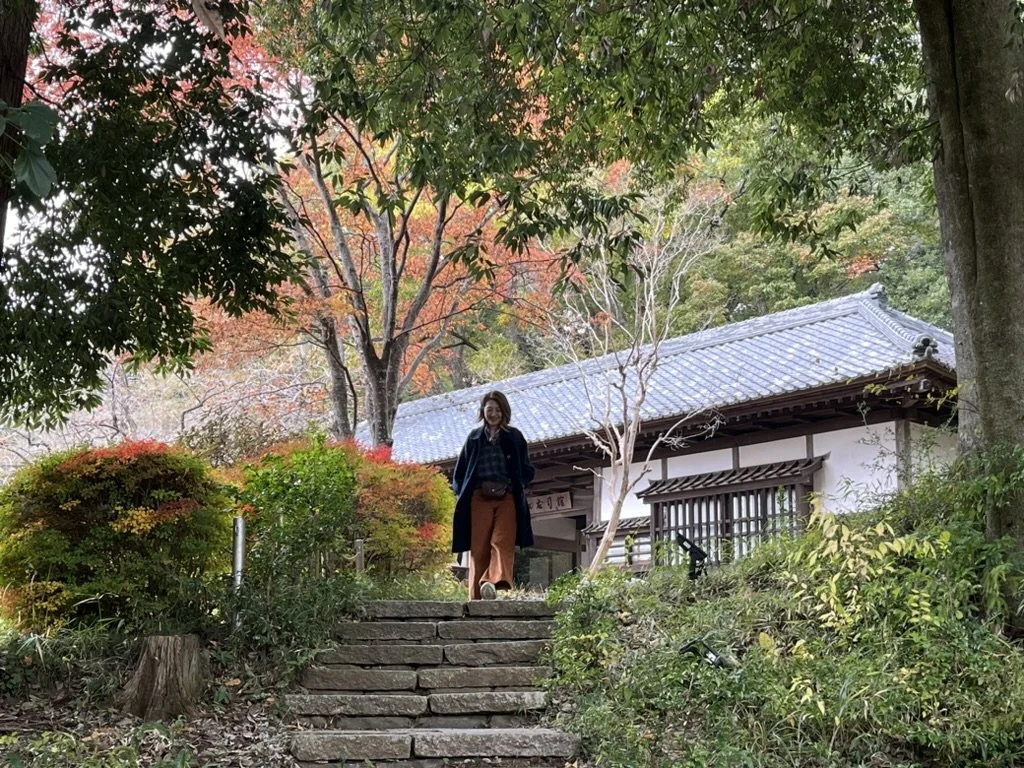
In 1853, someone discovered a special source of clay in and around Mashiko, a rural village north of Tokyo. In 1924, Shoji Hamada moved there and helped turn Mashiko into an international destination for ceramicists. As a card-carrying ceramics geek of the first order, I made the pilgrimage myself last November. When I was a ceramics student, and for the decade following, Hamada sat firmly ensconced in my pantheon of craft and design gods.
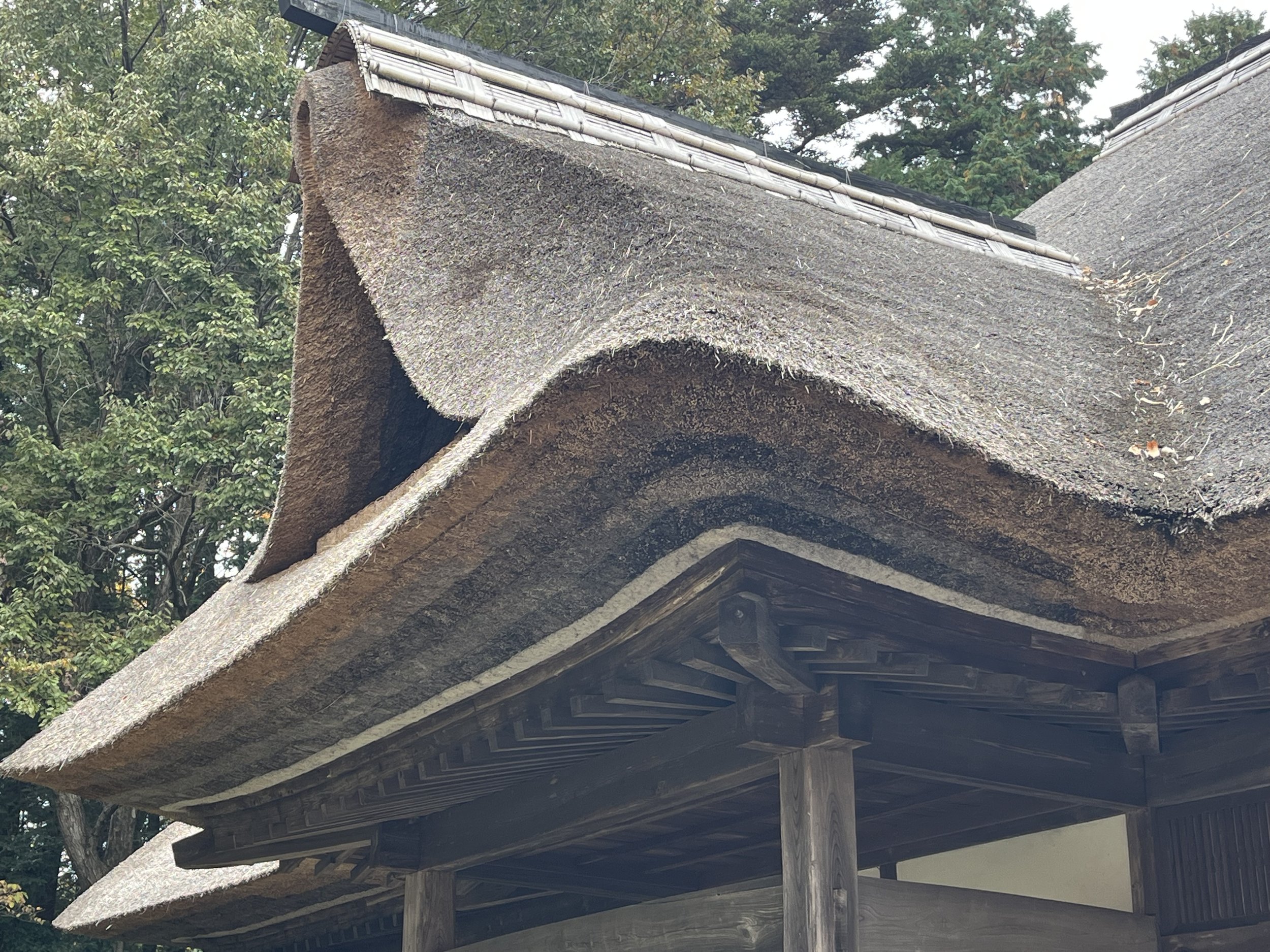
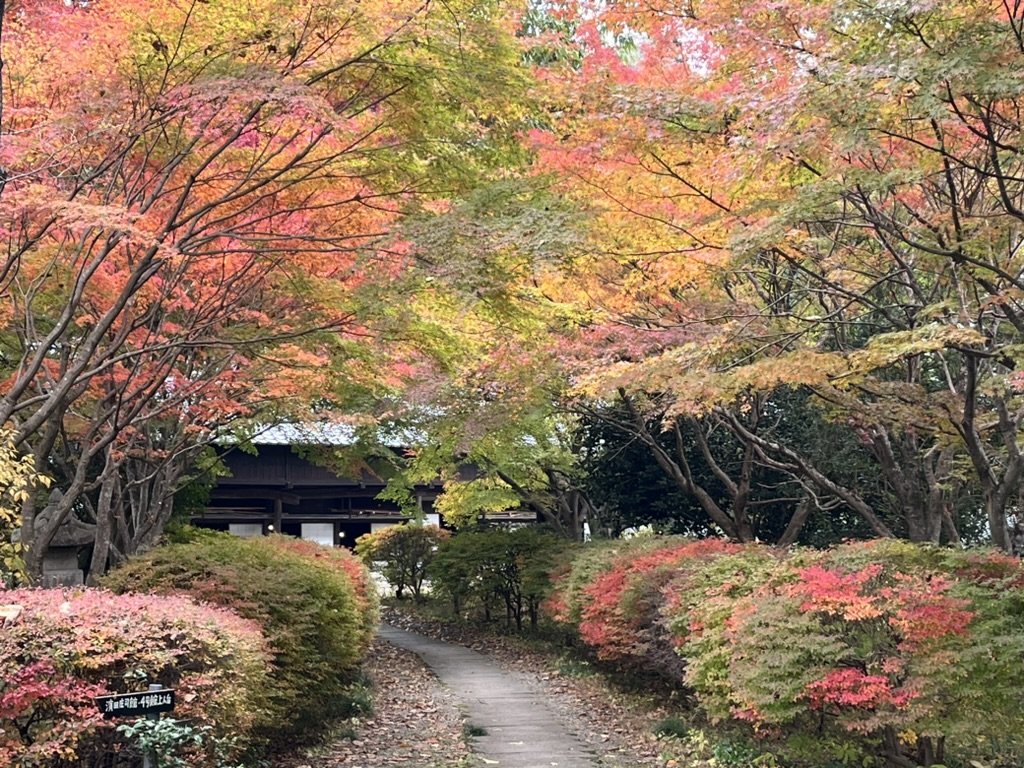
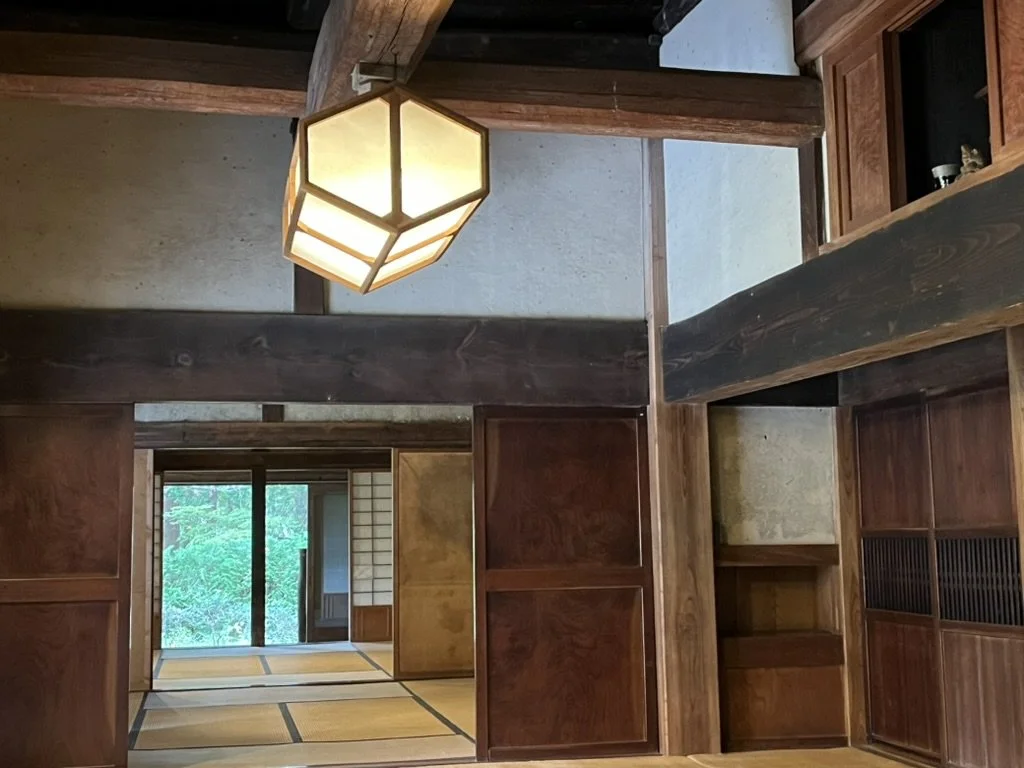
At Mashiko, I toured his classic house, which is something of a design experience in itself—elegant proportions, natural materials, humble and calm geometry —the quintessential Japanese aesthetic. The effect is simple and peaceful. This island nation, largely insular for centuries, evolved its own cultural and design sensibilities, including a deep connection to nature and to handmade goods, with craft pottery being perhaps the best example. The Japanese obsession with ceramics cuts across all segments of the culture and is foundational to a deeply held sense of beauty and design, epitomized by the tea ceremony. Hamada in particular was influenced by the folk-craft of utilitarian Chinese and Korean pottery traditions and helped to shape the folk art Mingei movement in the 1920’s, with Hamada as one of the leading voices. His pieces are often traditional functional forms set apart by unique surface treatments in the glazing and brushwork.
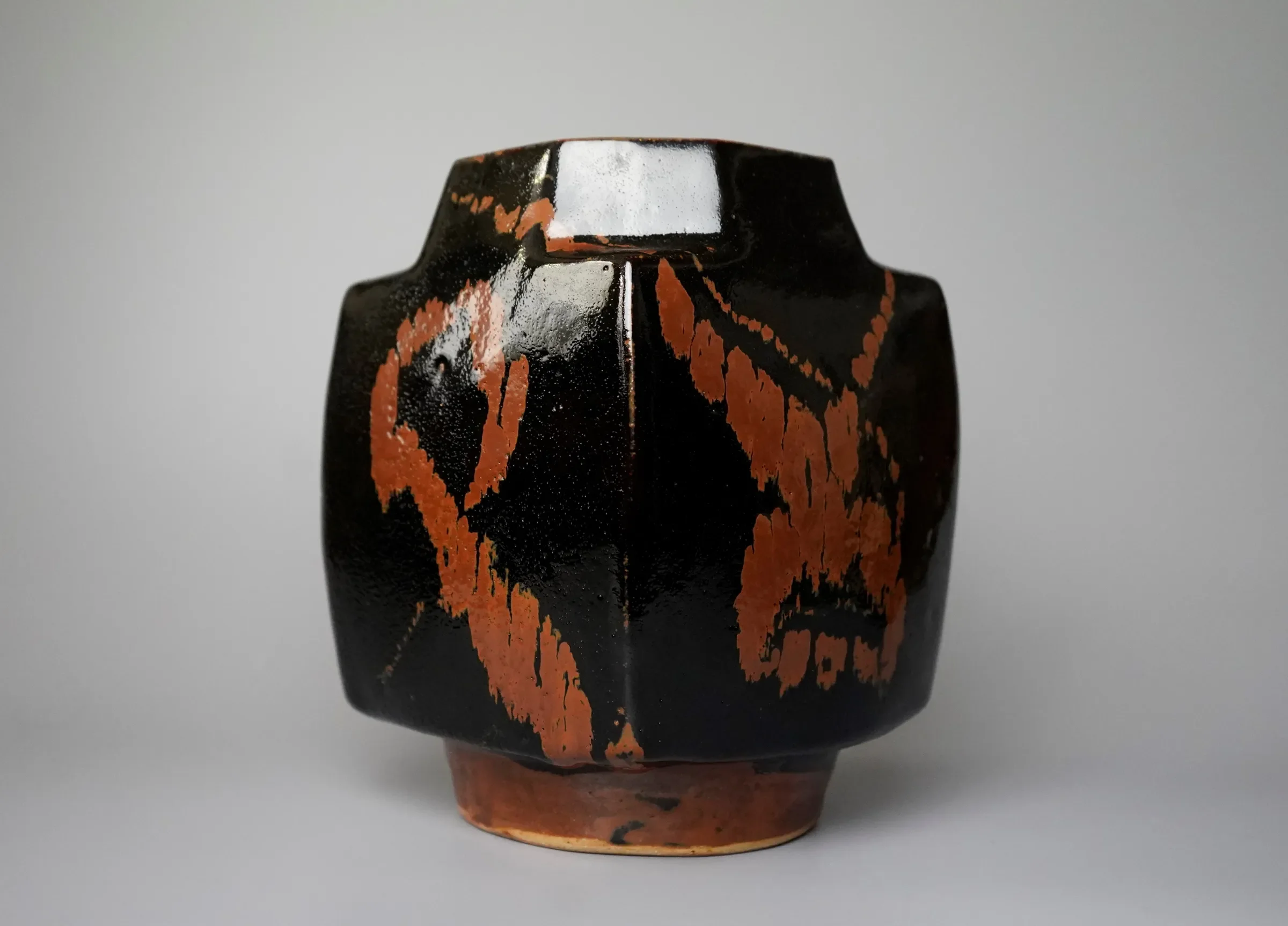
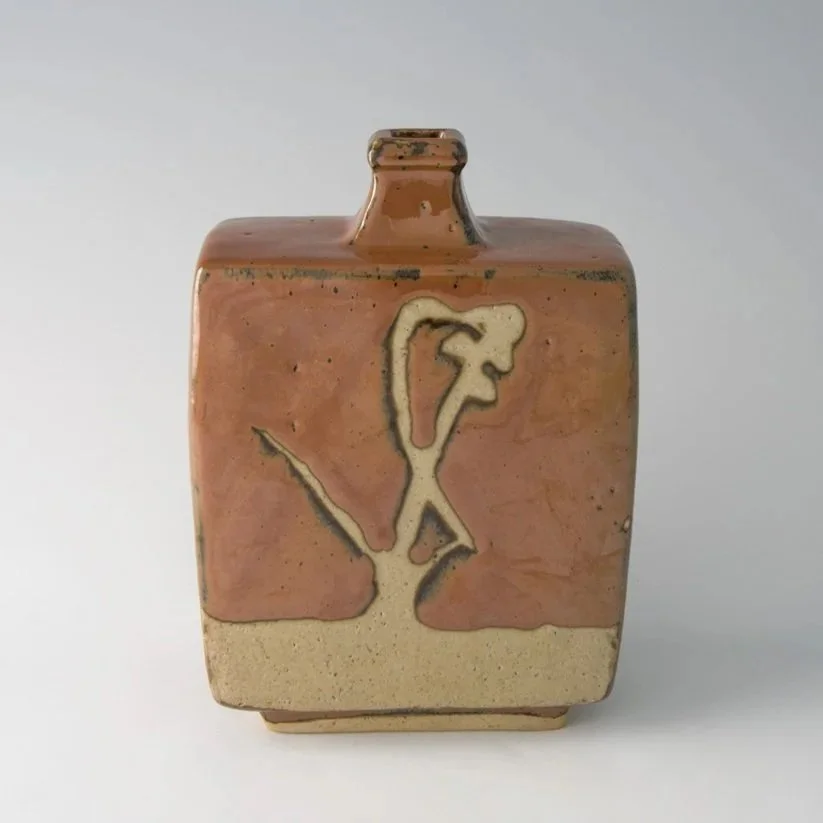
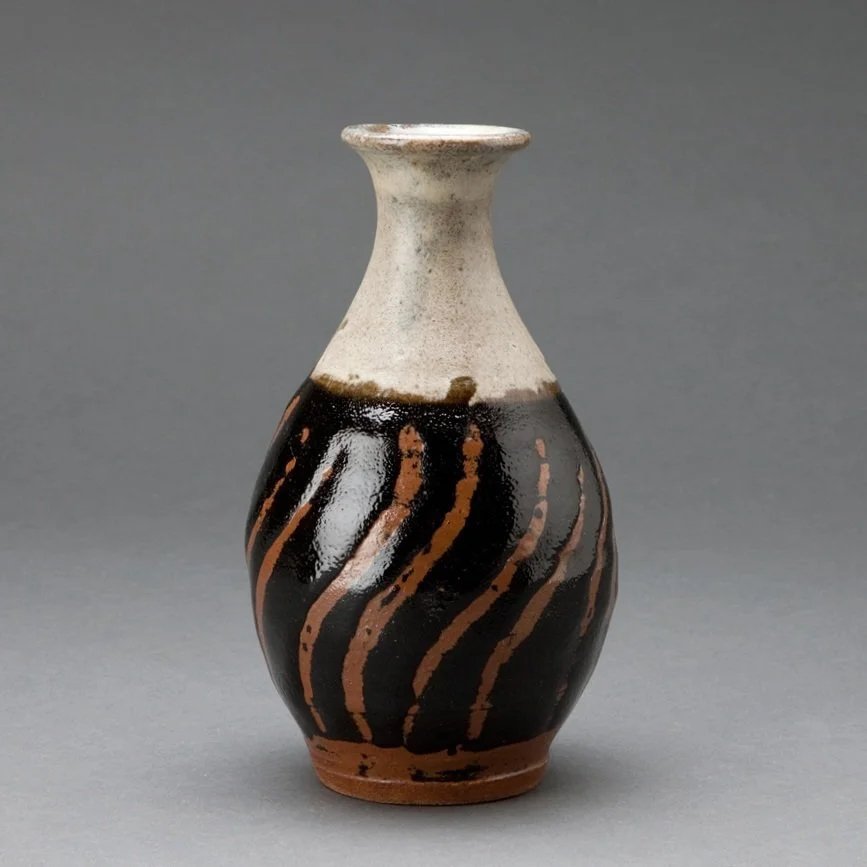
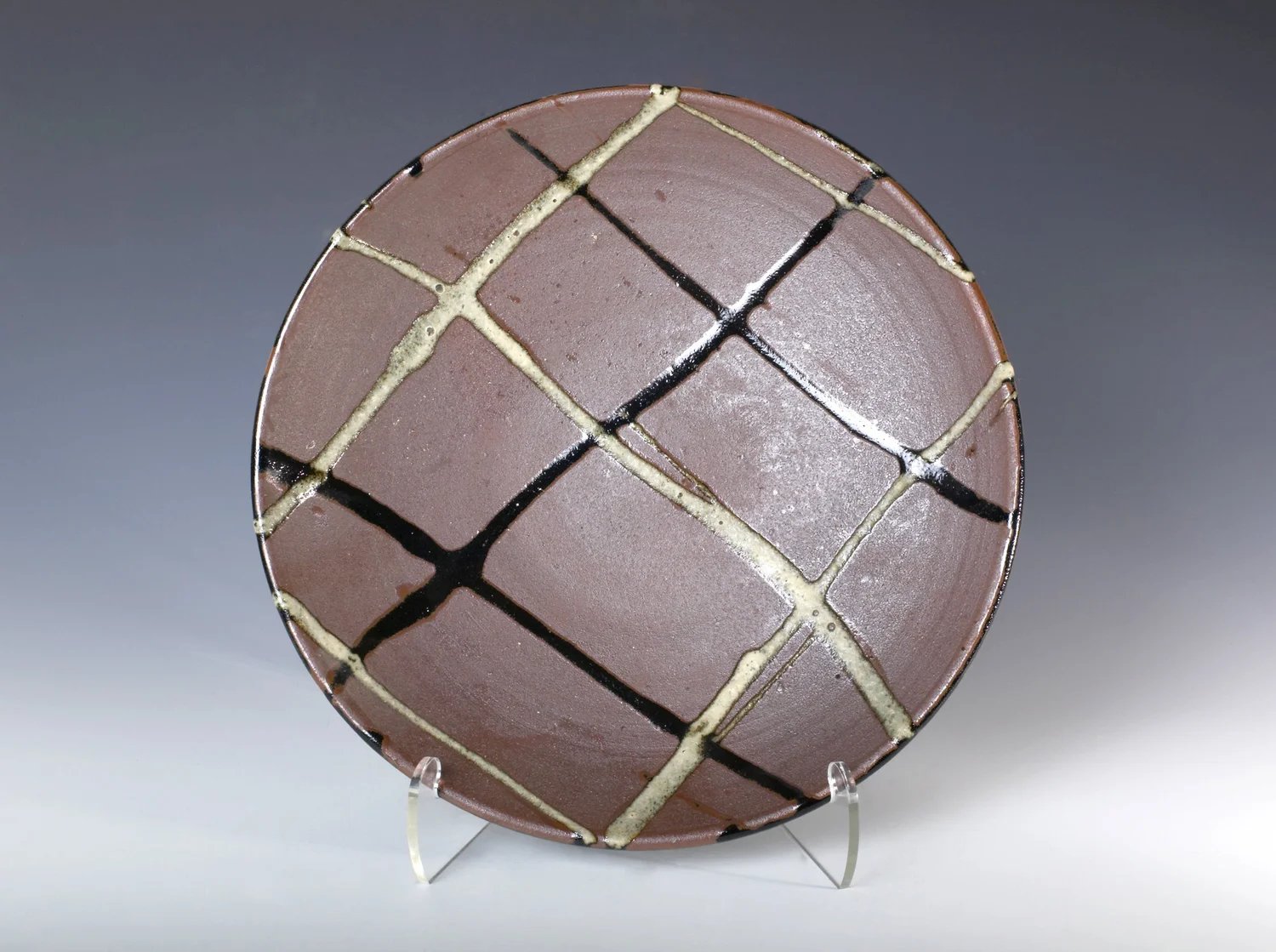
Fully submerged with the stillness of Mashiko and Hamada’s house/museum—in the fall foliage, inimitable architecture, and design details—I fell into a kind of beauty trance. How different this Japanese village (with no commercial signage, no branding) is from anything Western. Turning a corner onto a side porch, I experienced a merging of my disparate design influences—there were three “Western” chairs, including an Eames lounge chair. Most people would have walked right by, but this small display stopped me in my tracks.
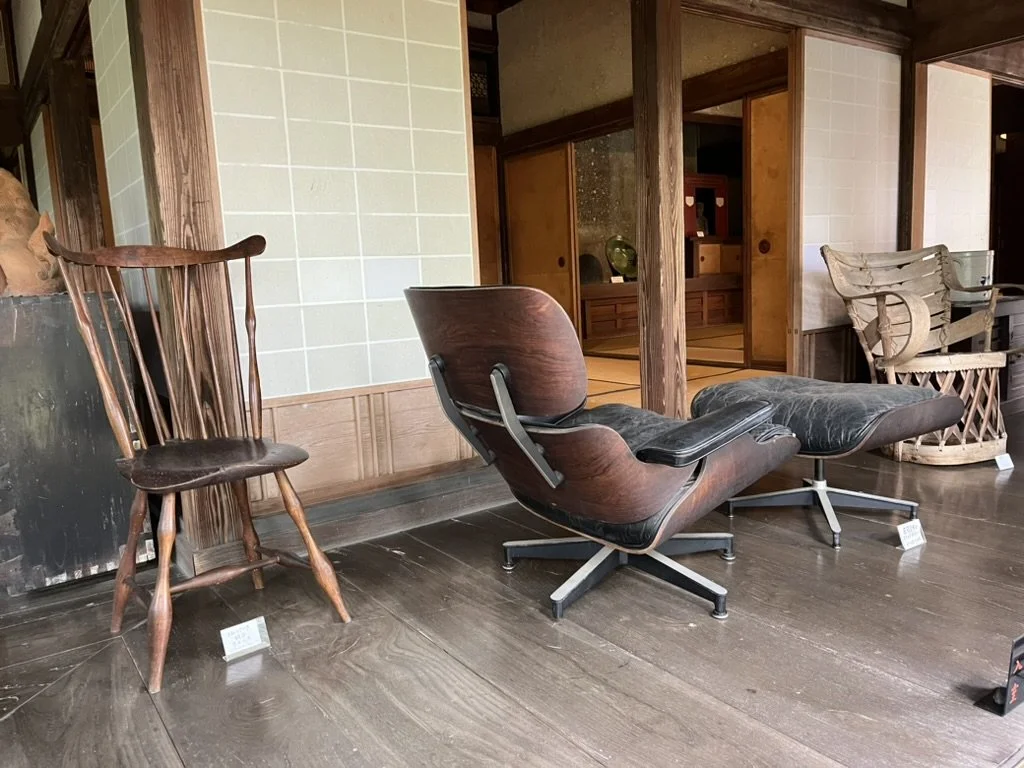
The chairs were on a scale too large for Hamada’s residence, which instead favored low stools and tatami mats. So what were these misfit chairs doing on the porch? Each had a small sign or label, written in Japanese and indecipherable to me.
Hamada had to be making a point. He was a thinker, writer, and provocateur as much as a potter. I imagine he placed these chairs on his porch to ask us to consider the form and function of chairs in the same way one might look at a piece of Mashiko pottery. In Japan, good design and beauty derive as much from usage as from aesthetic form. What we touch and use every day carries meaning and value—whether a hand-thrown tea bowl or a manufactured armchair.
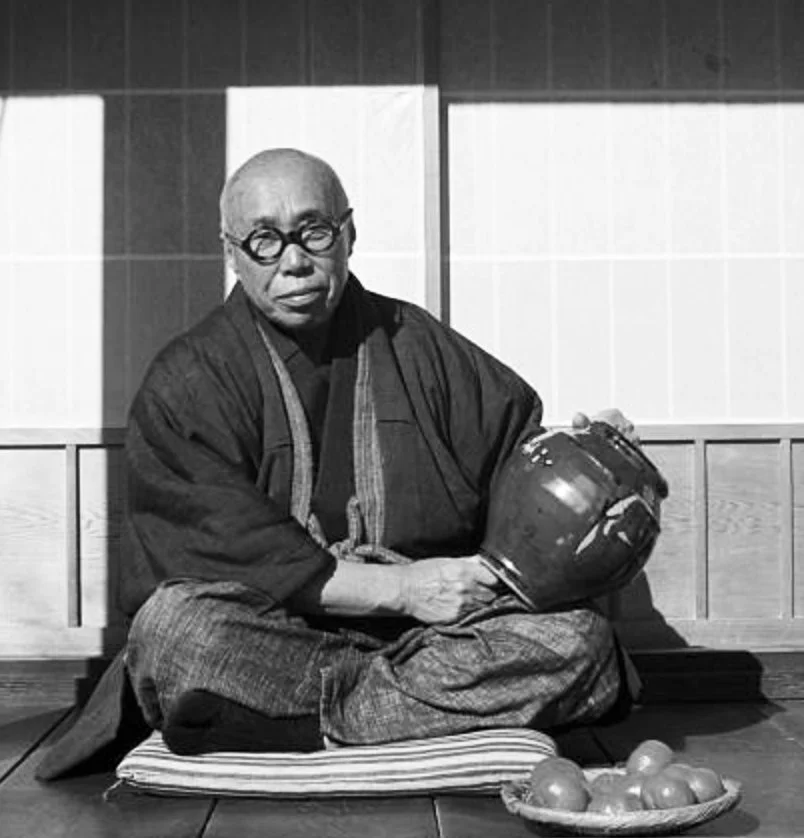
Shoji Hamada
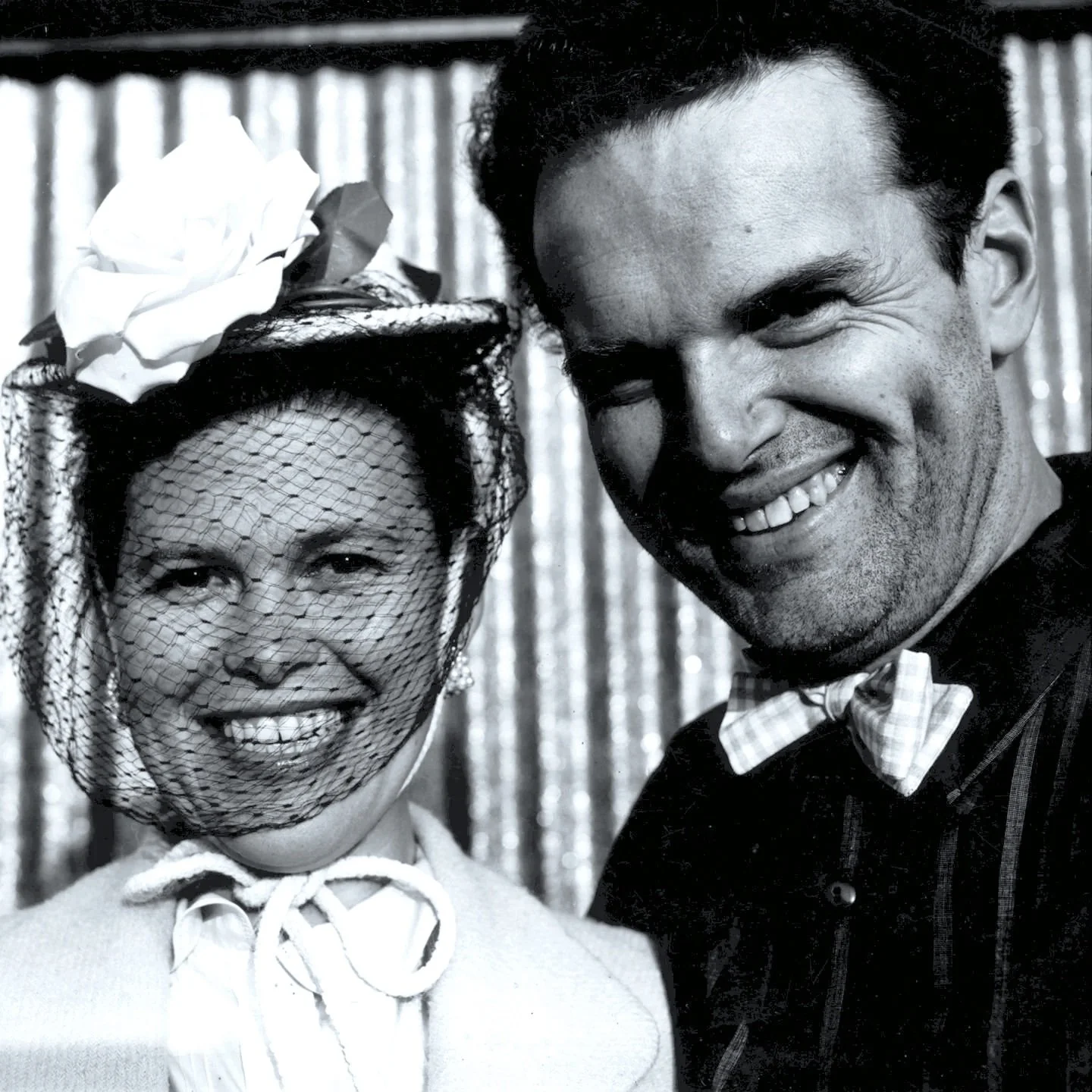
Ray and Charles Eames
I have since learned that Hamada was acquainted with Charles and Ray Eames. They had respect for each other’s work, while pursuing very different approaches and objectives. Hamada never designed for industrial production, and the Eames never made their living as rural craftspeople. Yet both were visionaries in their fields, with broad international influence. Hamada elevated craft beyond its traditional folk limits. The Eames, in turn, advanced industrial design for the broad U.S. market. Both created work that blurs the line between craft and design—the simplicity, timeliness, and beauty in each connecting these two disciplines. Whereas midcentury design in the west was defined by industrial designers and mass market goods, e.g. cars and chairs designed by the likes Eames, Saarinen, Loewe, Japan design was defined by hand made goods created in the 1950’s by National Living Treasures such as Hamada and many others.
Seeing Hamada and Eames under the same roof was a revelation. Hamada was my first icon during my ten years as a potter. Twenty years later, the Eames became my icons. (DWR was launched as a collection of about 50 chairs, and Eames chairs, including this lounge chair, grounded the collection—and still do.) In that moment, I realized that my obsession with good form in chairs had its roots in my years of making pottery and studying Hamada and other Japanese potters. It sounds obvious—even trite—as I write it, but it had never fully dawned on me until this small Mashiko moment. I owe a great deal to Hamada and to this Japanese sensibility.
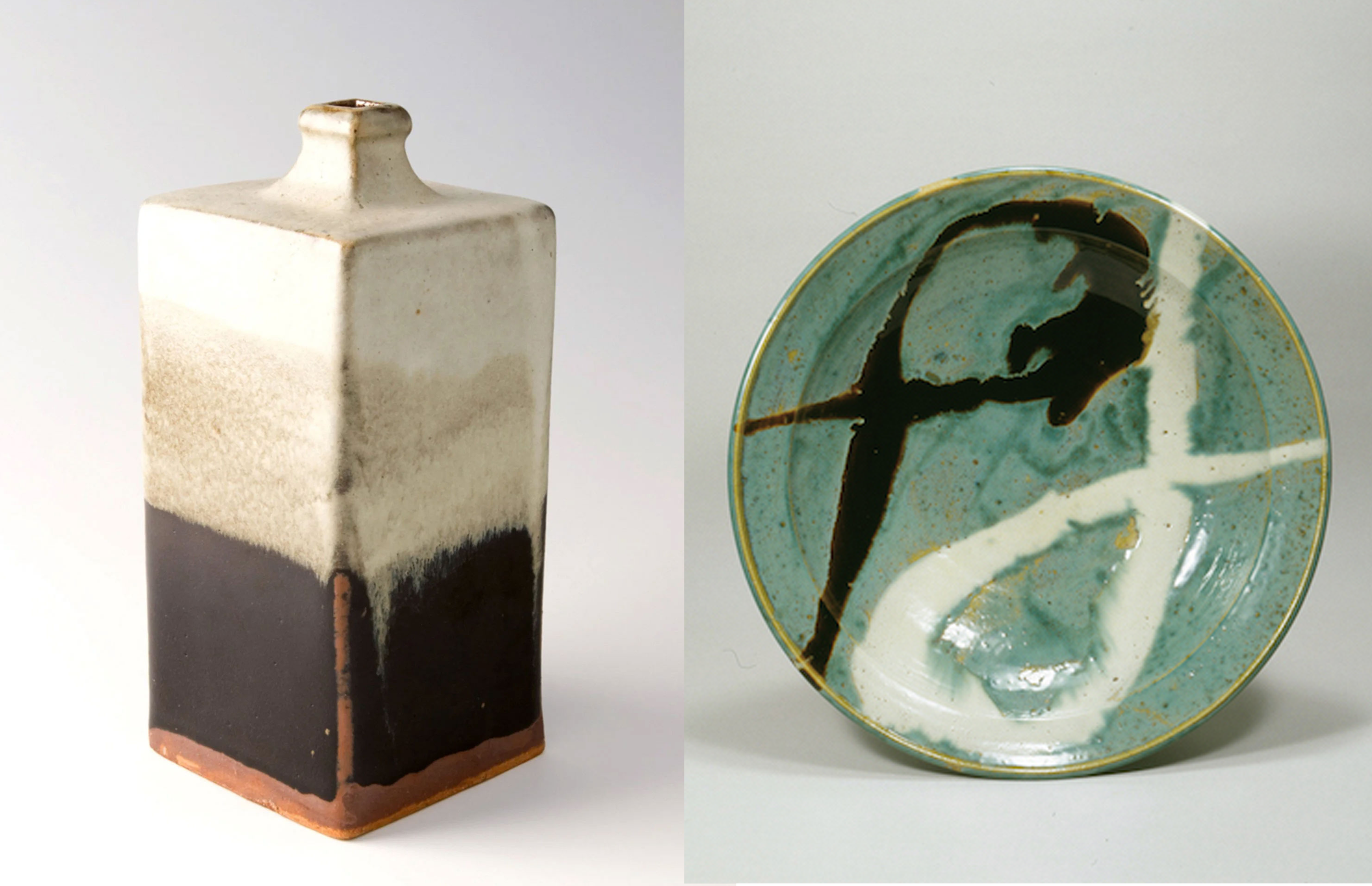
Shoji Hamada circa 1950
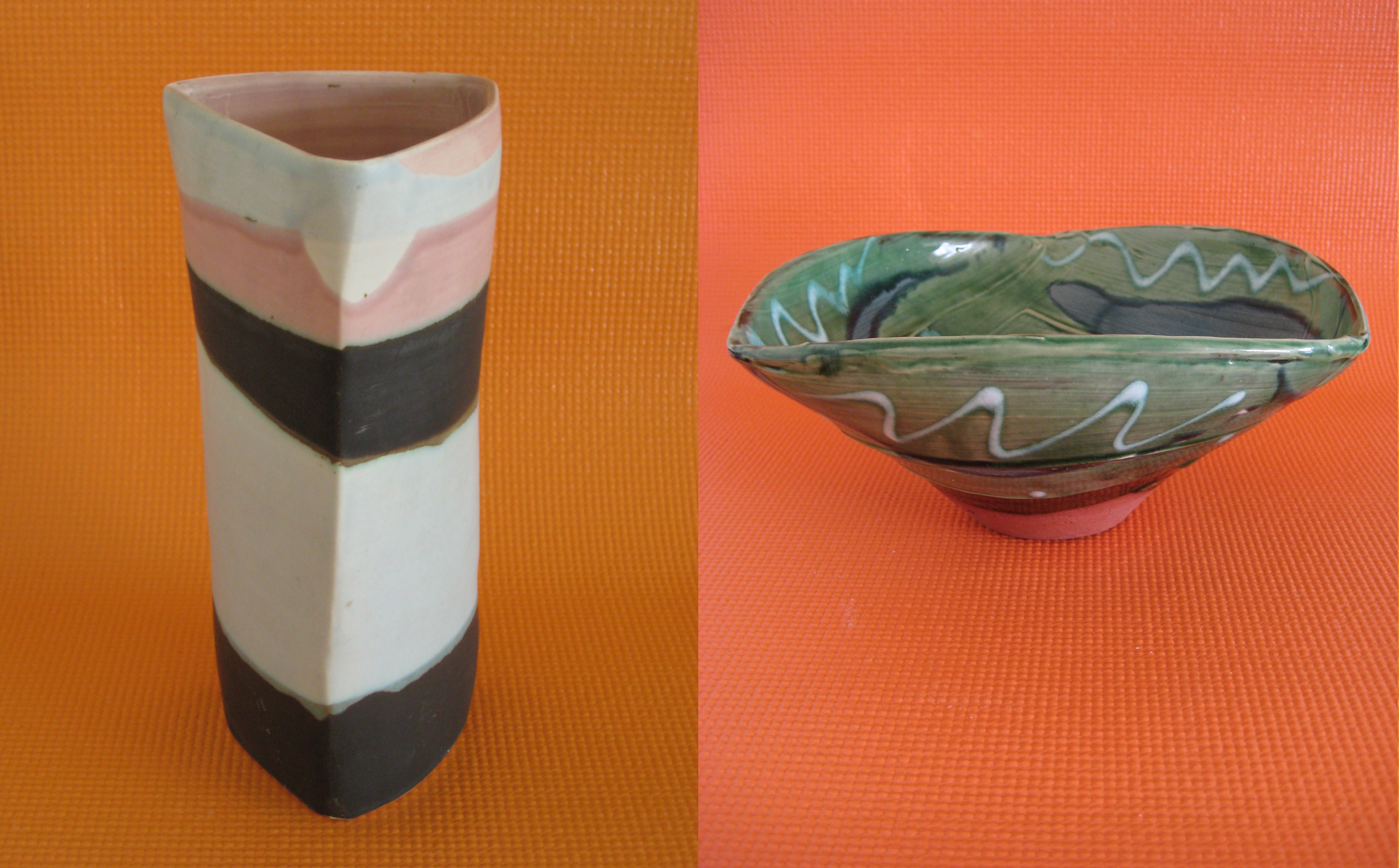
Rob Forbes circa 1980
This was the first of many design awakenings I had in Japan. Mashiko gave me a lens through which to view the rest of my trip. It reinforced what we all know, but what we can easily forget in our increasingly digital world that the value of the human hand in design has a singular power and meaning.
I plan to write more on this subject, and I hope to create a dialogue with others who have had similar design epiphanies—in Japan, or anywhere. To encourage more interaction, I’m moving my writing platform to Substack under the title Hands On Design. Please sign up here and ignore any requests for the paid subscriptions. Substack is new to me, so this is a work in progress.